Introduction
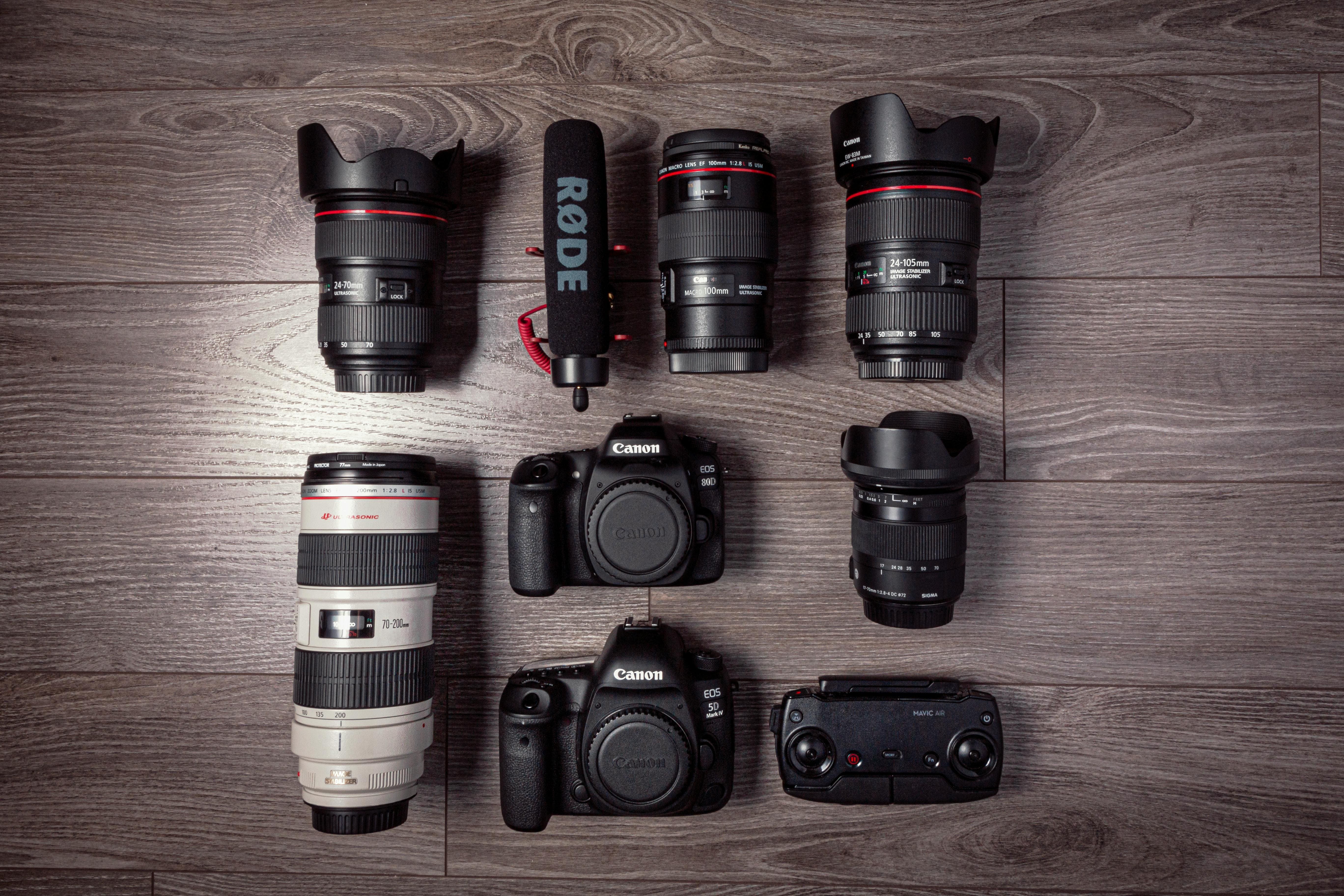
The role of equipment in photography has been debated among photographers over many years. Some believe equipment is just an instrument and that photography is based only on the vision, creativity, and technical skills of a photographer. Others argue quality equipment allows for photographers to implement their creative concept more efficiently and consistently.
People often think buying expensive gear will instantly make them a better photographer, but that’s a common misconception.
Reality is somewhere between these two extremes.
On the one hand, no one can argue that a very good photographer is capable of producing absolutely phenomenal pictures with very plain equipment, but high-quality gear definitely makes things easier to some degree and provides space for you to think more creatively than to worry if the shot will turn out fine or not because of outdated hardware.
In the end, photography is really a mix of creative thinking, technical skill, and the right camera in hand.
The Art of Composition and Technique
Beyond gear, learning and perfecting composition, lighting, and techniques is key to creating images that will make people stop whatever they’re doing and make them think.
These foundational skills often outweigh the importance of expensive equipment.
Some of those principles that can drastically improve composition in your photos are:
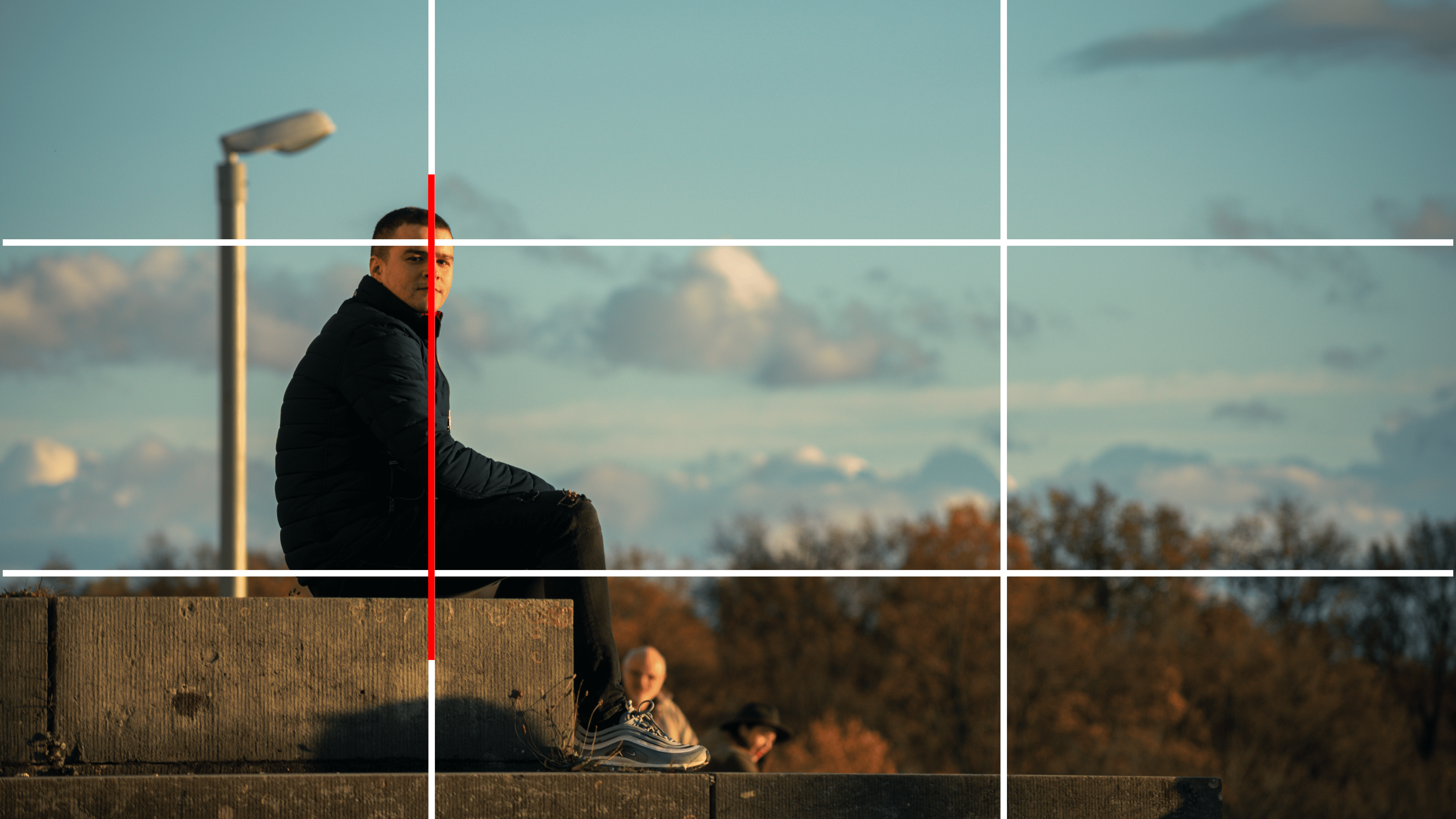
- Rule of thirds: in essence means that you use the intersecting lines of the grid shown on our display and position your subject according to them.
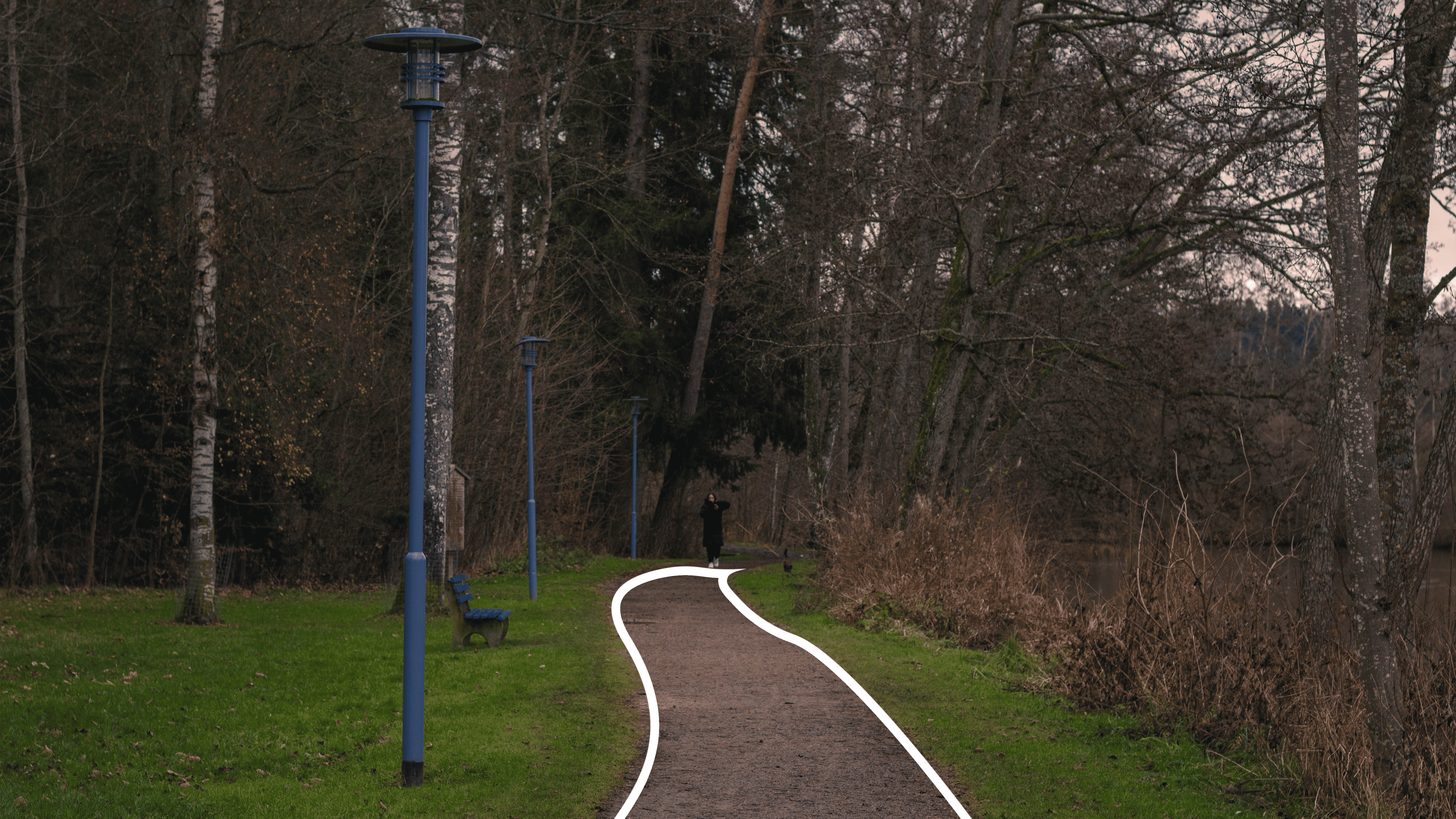
- Leading lines: using leading lines like roads, paths or fences can guide the viewer’s eye toward the subject.
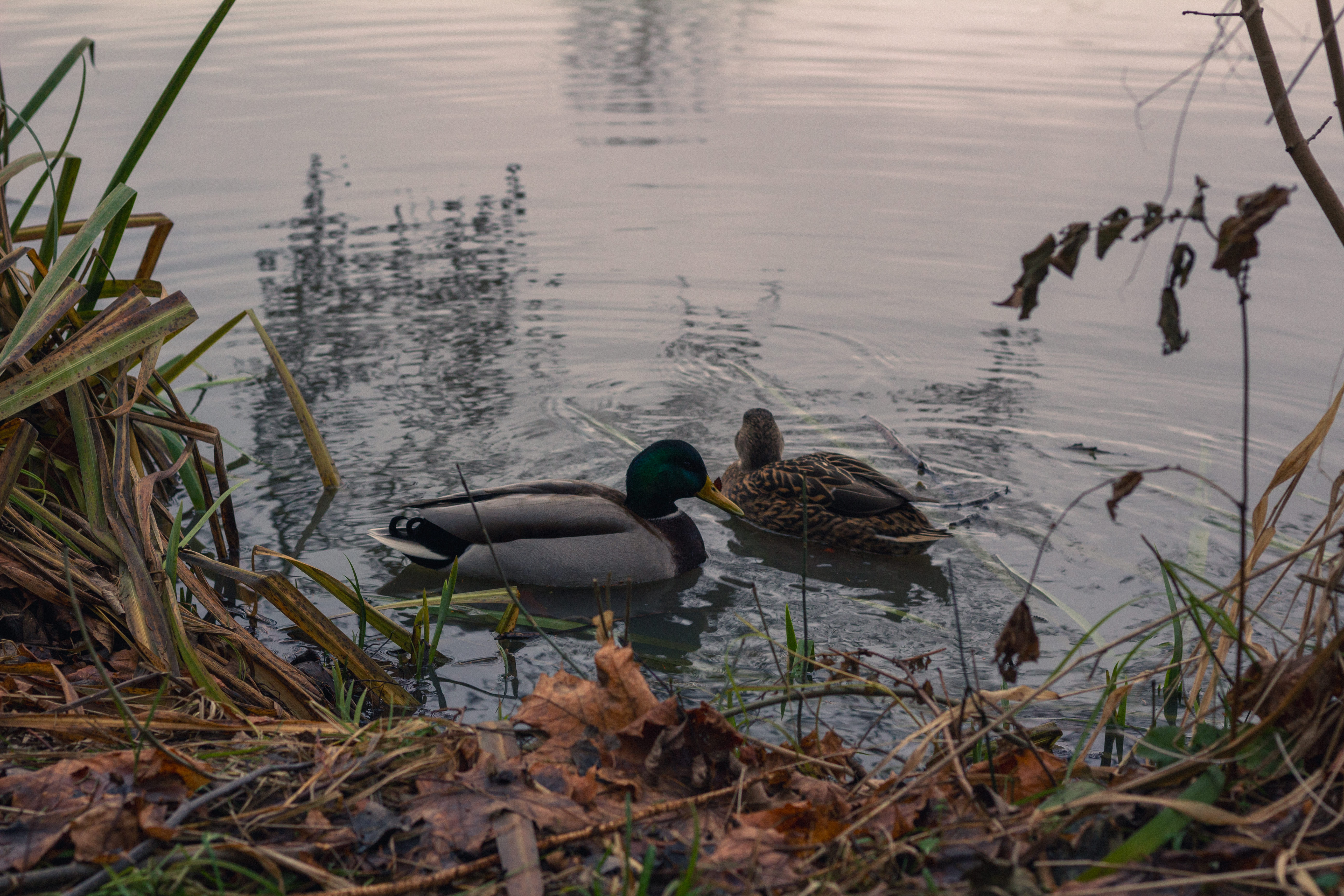
- Framing: using natural elements like trees, arches or windows to frame your shots can draw attention to the subject.
Lighting is another crucial element that can transform and improve a scene, (but also ruin a scenes) adding depth, mood, and drama to an image. Understanding how to work with natural light or how to use artificial light sources can make a significant difference in the final result.
Photography techniques include changing up exposure, focus, and timing to create a different perspectives. Learning skills like long exposure, panning, or freezing motion can open up creative possibilities and help you shoot unique photos.
Of course the gear matters (to some extent), but what really makes a great photo is how the photographer uses the mentioned elements like composition, lightning, and different techniques.
When Equipment Matters: Specialized Situations
In certain scenarios, better equipment becomes essential for capturing high-quality images. Low-light conditions, such as night photography or indoor events with bad light, often require specialized lighting equipment like:
- external flashes,
- light panels,
- or even unique tools like the Pixelstick.
Sports photography demands fast shutter speeds and telephoto lenses to freeze a player (or anything related to the specific sport) in action and zoom in since you will most probably be at a distance.
Macro photography, on the other hand, involves capturing (tiny) subjects at close range. For this kind of photography you would need a lens that has a lower f-stop (e.g. 1.8) so you can get that nice depth of field in the picture, called bokeh.
Astrophotography, the art of capturing celestial objects, requires specialized equipment like tracking mounts, high-quality lenses, and even dedicated cameras optimized for low-light compositions.
In specialized scenarios like these, investing in the right equipment will make a significant difference in the quality of your images and the ease of use. While technique and composition remain crucial for good photos, better gear gives you some more time to think about the type of picture you want to take, and not to always worry if your old camera will manage to focus properly in that quick moment.
The Benefits of Better Gear
While skill and creativity are maybe even the most important thing in photography, investing in better equipment will improve your photos as a photographer. Camera with better sensors, and after market lenses offer several advantages, including improved image quality, faster performance, and greater versatility.
Better lenses, for instance, can produce sharper images with less distortion and aberrations, enabling you to capture finer details and richer colors. As John Mak notes, “Better lenses give sharper images, and a better camera can perform better in low light!” This can be particularly beneficial in challenging lighting conditions or when shooting fast-moving subjects.
Moreover, advanced camera bodies often feature faster autofocus systems, higher burst rates, and better low-light performance, allowing you to freeze memories with greater precision and clarity. Better equipment offers photographers technical capabilities, creative flexibility, and confidence to pursue their vision of a photo.
If you have a company and you want to offer your photography skills as a service, investing in better gear can also give you a reason to increase your prices, and deliver higher quality results for future projects.
Essential Gear and Accessories
While the camera itself is the primary tool for photography, there are several accessories that can improve your flexibility and creativity.
- Camera bag is essential for protecting your gear, whether you are shooting in a rainy place, or a dusty place, and keeping it organized.
- SD-Cards and external storage ensures you never run out of space while shooting, also you will be far more at peace knowing that you didn’t buy some cheap SD-Card which could corrupt at any given moment.
- Spare batteries are a must-have, there is nothing more dissapointing than having your battery die in the middle of a shoot.
- A tripod and tripod head can open up new possibilities for your photographs, being able to shoot long exposures, time-lapses, and sharper images.
- Lens and sensor cleaning kits help maintain your equipment in excelent condition, making sure your sensor works without any problems and so you wouldn’t have any particles in your photos because of some dust on the sensor or a lens.
- External flash can dramatically improve your lighting capabilities, allowing you to control the quality and direction of light in any indoor, but even outdoor shooting scenarios.
Finding the Right Balance
Success in photography is not all about having the best or most expensive equipment.
Sure, high-quality gear can help, but what really makes you a good photographer is having a decent camera, and learning that camera in and out so you can get the most out of it and create creative and artistics images. As Mark Banks puts it, “The most important tool a photographer has is their mind’s eye – the ability to visualize the final image before pressing the shutter.”
Just think about it, even if you give a $3000 camera equipment to a complete beginner, the chances are you will have beginner photographs afterwards that are crooked, underexposed, or even out of focus.
Meaning, get to know your camera, understand how it works, what each section of settings does, and go out and experiment. Experiment with nature, experiment with friends, buildings, cars… whatever you find interesting. That’s when the magic happens.
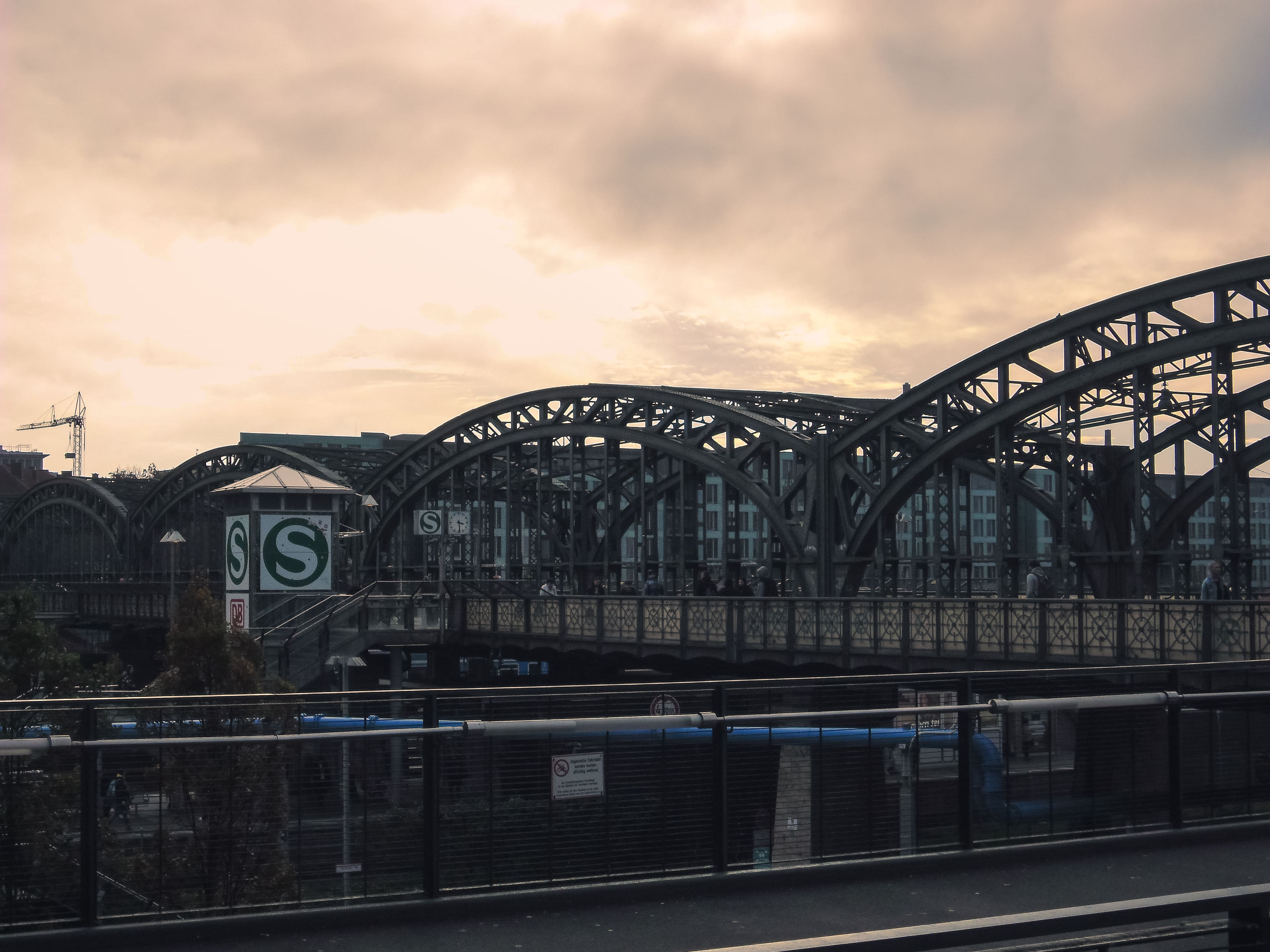 Example that good photos can be taken even with an old digicam - Samsung ES30
Conclusion
To summarize, yes, camera equipment and accessories are important and will help you improve quality of your photos, but you don’t necessarily need all that equipment we talked about today.
There are plenty of ideas for DIY camera gear like lights which you can make for a lot cheaper than the cost of a professional light. You just need 1 camera and the will to go out and shoot photos. They don’t have to be perfect, just go and do it over and over again - practice makes perfect.
And one more thing I’d like to mention is, take photos with intention, think about what you’re photographing, and when you go home export them and analyze them. Ask yourself, what can I do better, on what can I focus the next time I go shooting. Maybe you can improve your focus, maybe the exposure of the image, or maybe something 3rd, doesn’t really matter.